Before a Public Commemoration: A Reader’s Looking List
A public commemoration looking list helps you read its words, symbols and choices about the past, while keeping observation separate from assumption.
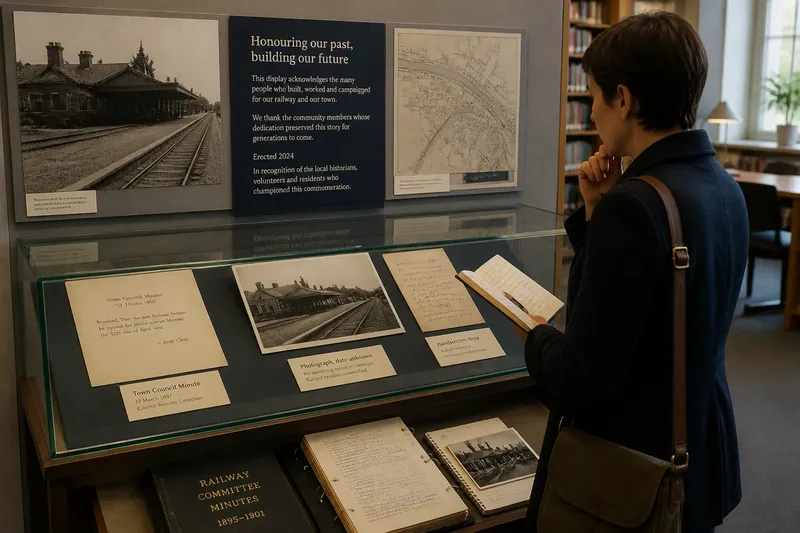
At the local library, a display case holds a faded map beside a list of names, while a new plaque credits the people who campaigned for it. A public commemoration looking list helps you read these choices as civic language: what a place chooses to remember, how it names the past and which histories it puts in view.
Rather than judging a commemoration by the feelings it appears to produce, look at the decisions that shape its public account. The wording, objects and setting can reveal what is being acknowledged—and what may still be contested—without claiming to speak for everyone connected to the story.
Start with the record
Find out who organised the commemoration and what occasion or history it addresses. A council notice, museum label, school archive or local-history page may explain who proposed it, whose names appear and how the account was assembled.
Then distinguish between different kinds of material. A plaque may offer a short official statement; an archive may preserve letters, minutes or photographs; a newspaper report may record how the event was discussed at the time. Each source has its own purpose and limits. A concise inscription is not a complete history.
Carry a few practical questions as you read:
- Named people: If the text names individuals, check whether it explains their roles; if it does, note those roles, and if it does not, look for a reliable local archive or catalogue.
- Dates and events: If a date is given without context, check what event it marks; if the inscription leaves that unclear, consult the organisation responsible for the site.
- Source of the wording: If the label identifies an author or source, record it; if it does not, describe the words as unattributed rather than assigning them to someone.
- Changes over time: If the display mentions a redesign or relocation, check what prompted it; if no reason is offered, avoid presenting a possible explanation as fact.
- Missing perspectives: If the account refers to a group without naming its members, look for testimony or records by people from that group; if none are accessible, state that the public record you consulted is limited.
- Disputed claims: If sources disagree, compare what each one actually says; if the disagreement remains unresolved, report the difference rather than choosing a side without grounds.
Read the wording
Public language often compresses complicated histories into a few lines. Words such as “founder”, “pioneer”, “service” or “sacrifice” can honour particular contributions while leaving other experiences outside the frame. Ask who is named as acting, who is described as affected and whether the text gives enough context to understand those roles.
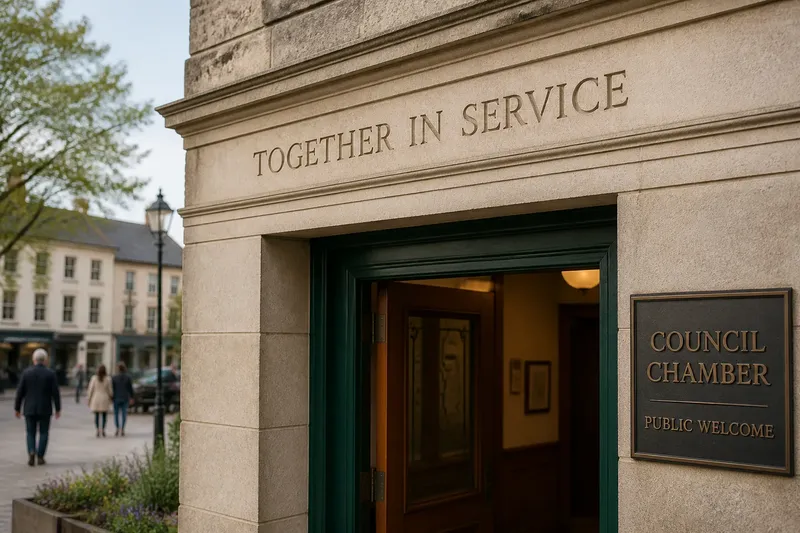
Pronouns matter, too. “We remember” makes a collective claim, but the “we” may be left undefined. If a plaque says “our town”, check whether it identifies the people and period it means; if it does not, treat the phrase as the inscription’s wording rather than proof of one shared view.
Look for revisions and additions. A newer panel alongside an older monument may preserve a change in how a community describes its past. Read both texts, note their dates if supplied, and avoid assuming that the later wording has settled every disagreement.
Notice what is shown
Names, photographs, maps and objects can make a history tangible, but selection is part of the message. Ask why these people or objects are displayed, who chose them and whether a caption explains their connection to the event.
Placement also matters. A memorial at a civic building speaks from a different setting than an account in a local archive or a community centre. Note what visitors can readily see and read; if a name is difficult to make out, look for an accessible transcription or contact the organisation responsible for the display.
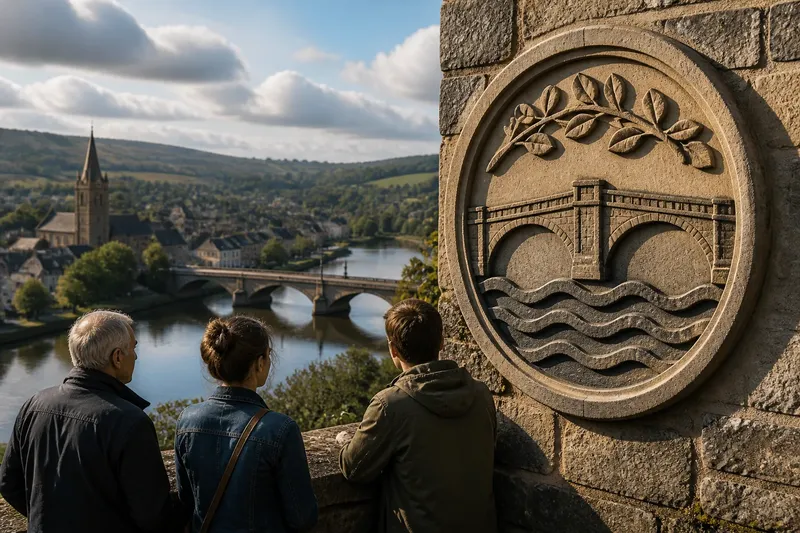
Do not assign one fixed meaning to a symbol on sight. A flag, uniform or emblem may have a documented history, but its significance can differ among people. Separate what a source establishes about its use from interpretations that remain personal or disputed.
Trace the choices?
Who chose the names on a memorial?
Look for a dedication, council record, committee minute or archive note that identifies the decision-makers and selection criteria. If no source explains the list, say that the selection process is unclear rather than guessing who was included or excluded.
How can I check a plaque’s wording?
Record the inscription exactly, then compare it with material from the council, museum or archive responsible for the site. If accounts differ, quote or describe each version with its source and leave the discrepancy visible.
What if a public account leaves someone out?
Search for relevant collections, oral histories or community publications, while checking who produced them and what they can establish. If you find no dependable account, name the gap carefully instead of filling it with an assumption.
Can I photograph a memorial?
Check posted rules and consider whether the site includes personal or sensitive material before taking a photograph. If permission is uncertain, ask the site manager or make written notes instead.
A library display
Imagine a fictional library installs a display about a former railway station. The starting materials are a town-council minute naming the station’s opening, a photograph with no caption and a handwritten note whose author is unknown. You copy the minute’s exact description, check the library catalogue for the photograph and find no identifying record, then label the note as unattributed rather than linking it to a named worker. Your resulting account can state that the council recorded the opening and that the photograph’s subject remains unidentified; the trade-off is a narrower story, but one that does not turn uncertain material into fact.
This approach works for any public commemoration: treat each claim according to the evidence behind it. The phrase “public commemoration looking list” is most useful when it helps you distinguish what a display says, what its sources support and what remains open to question.
When a detail matters to someone’s family or community history, take care with how you repeat it. Keep the original wording, note where it came from and ask the relevant archive, council or community organisation before presenting an uncertain interpretation as settled history.